


History That Shapes the Future: A Public Talk with Yaroslav Hrytsak Held in Vilnius

What makes a nation? Is it borders, ethnicity, language — or is a nation born out of action, memory, and the will to change?
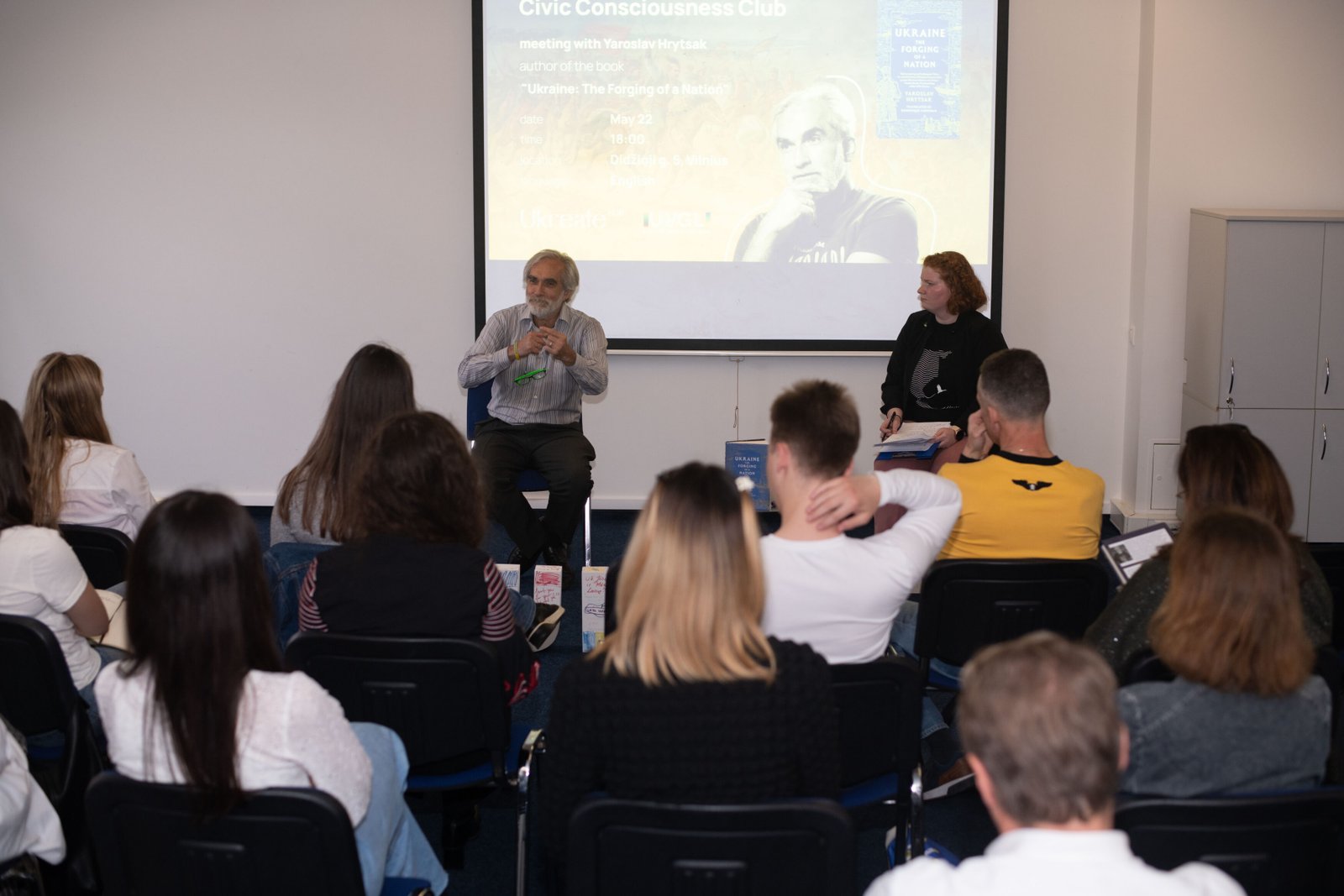
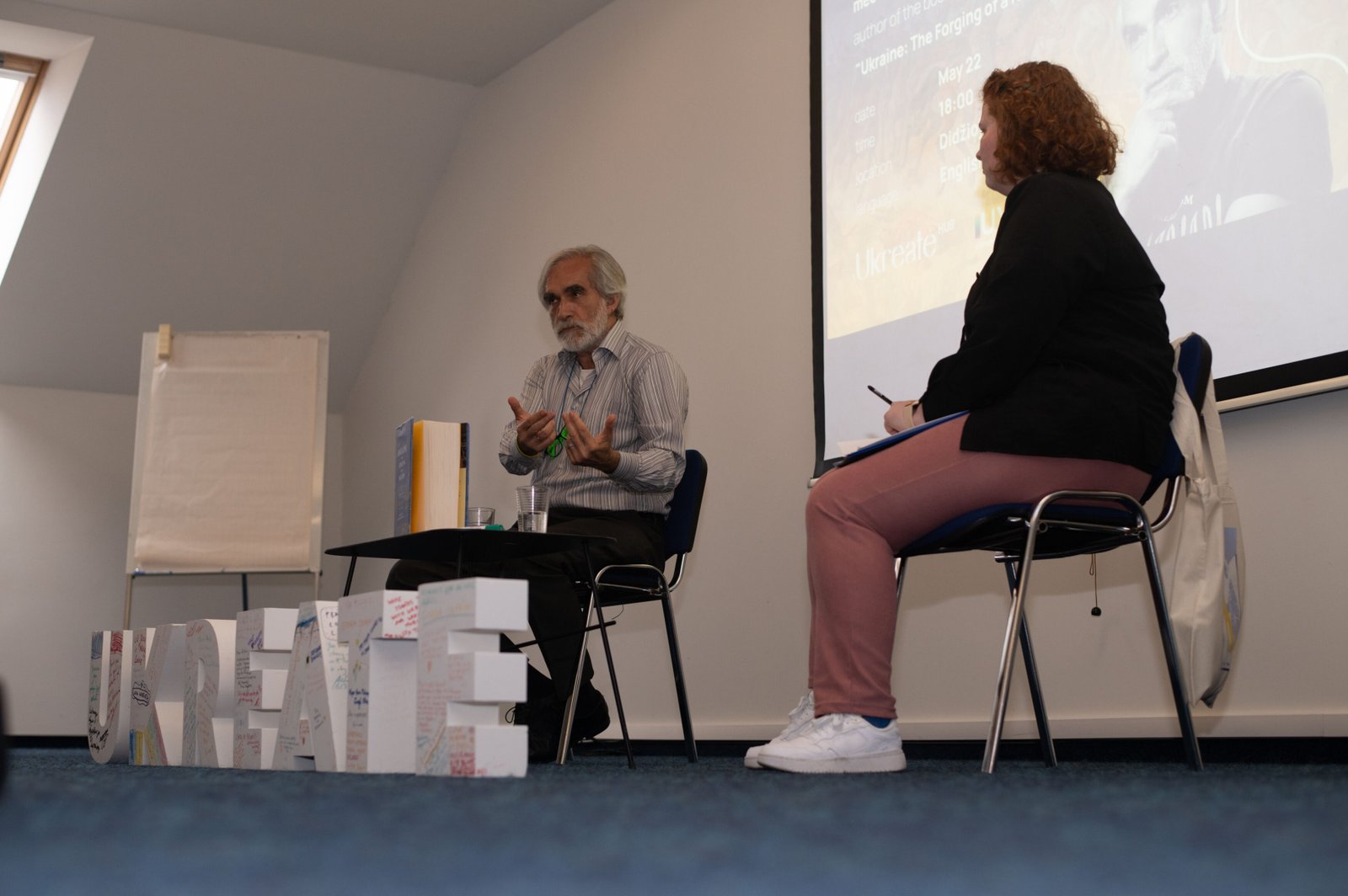
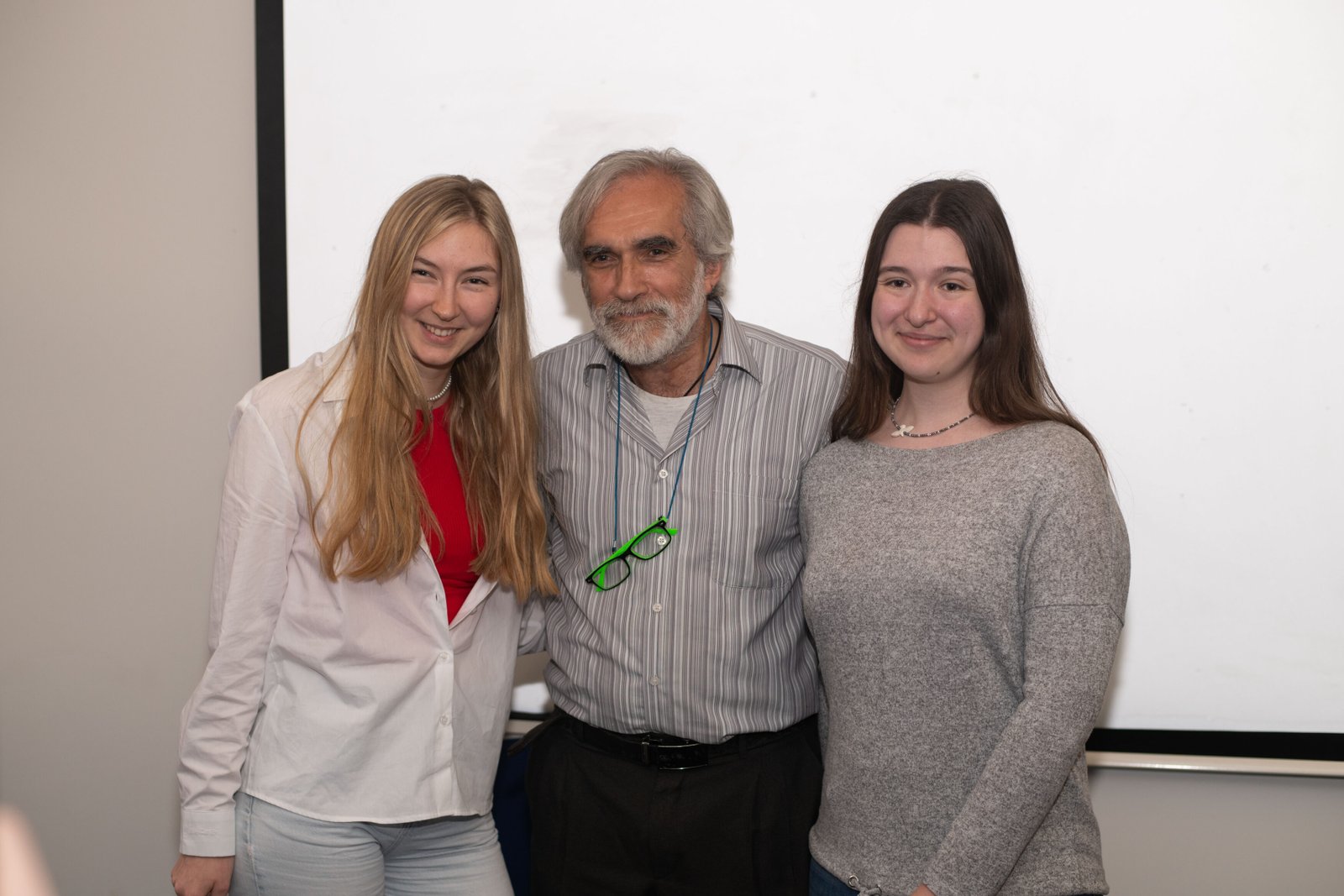
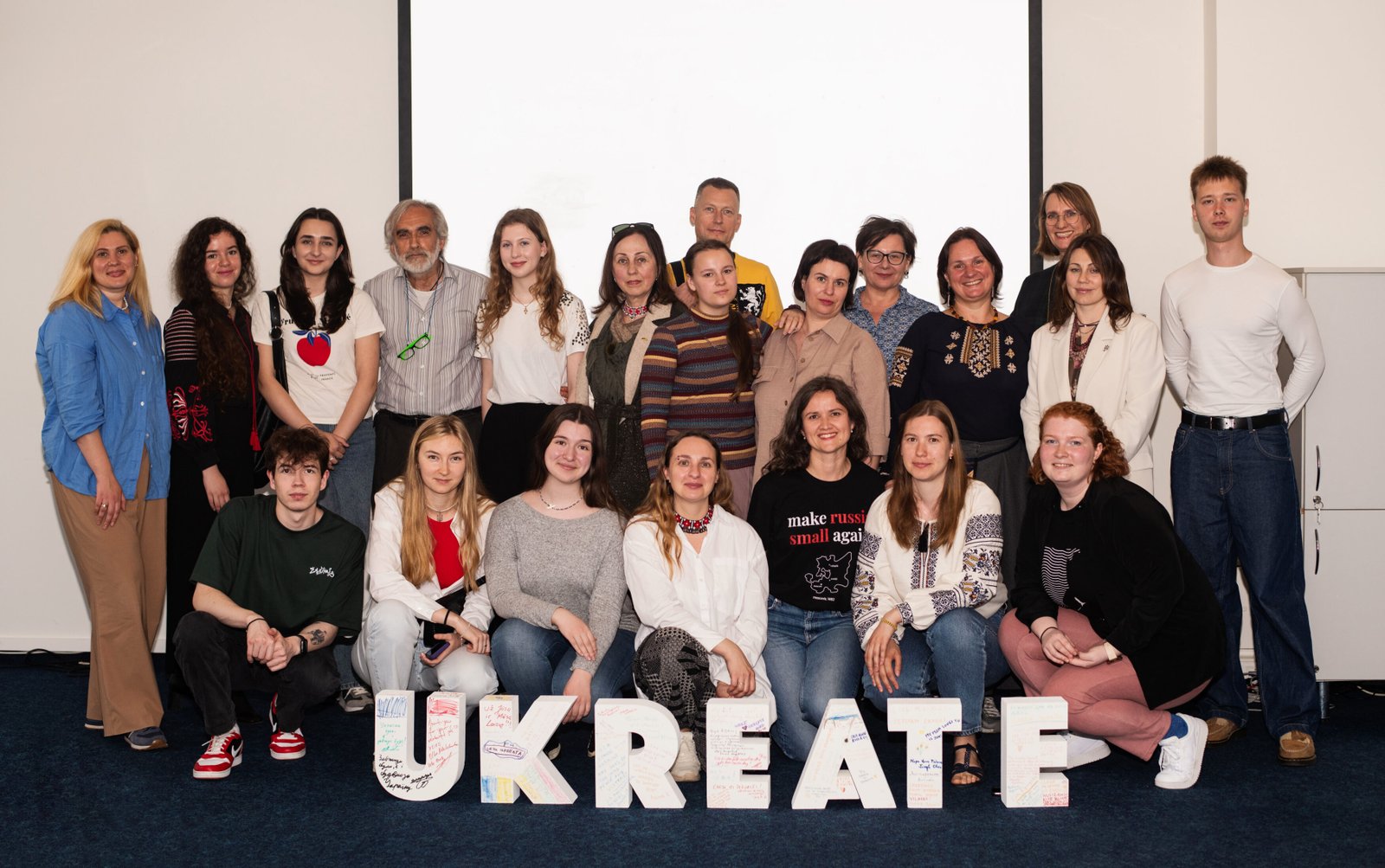
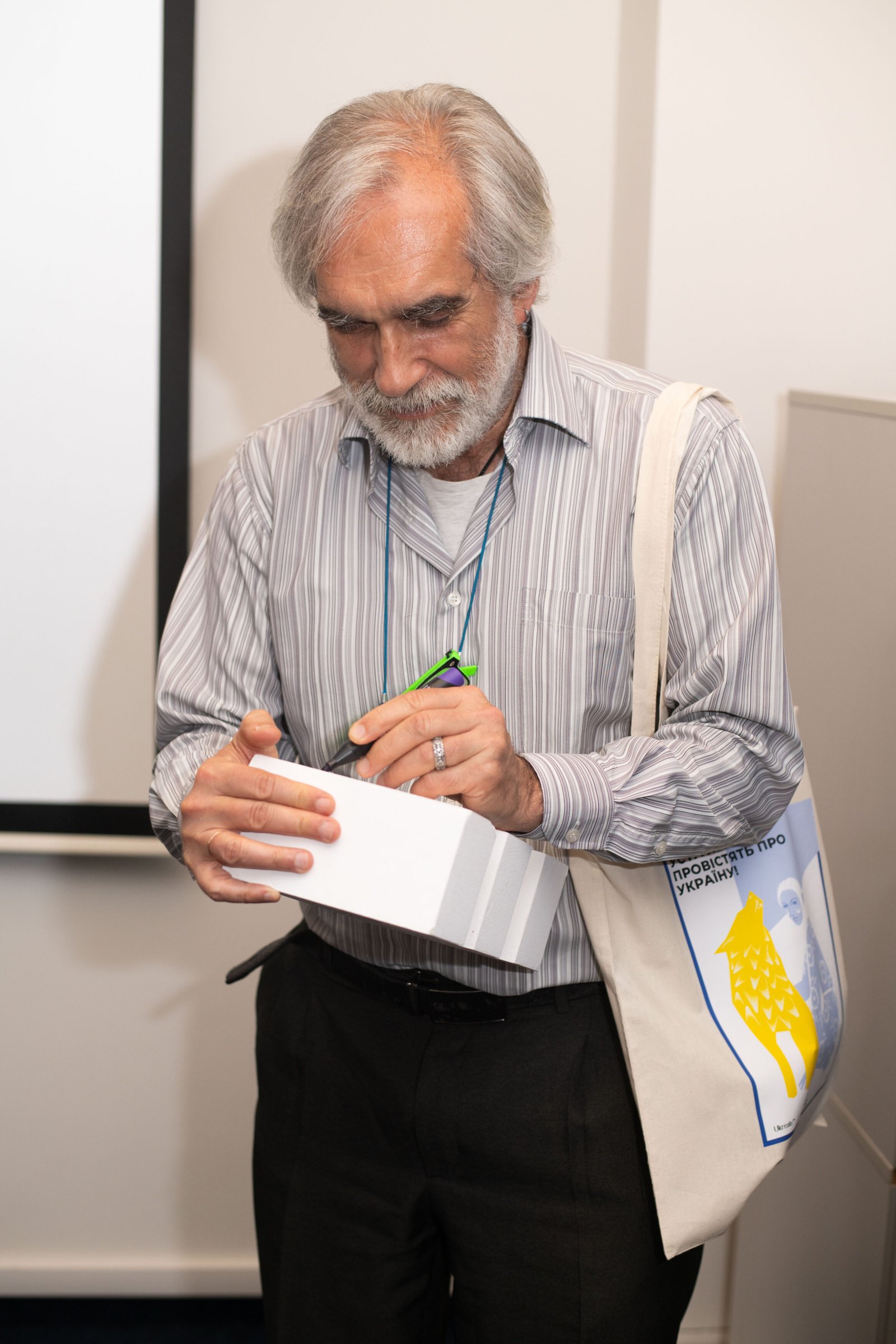
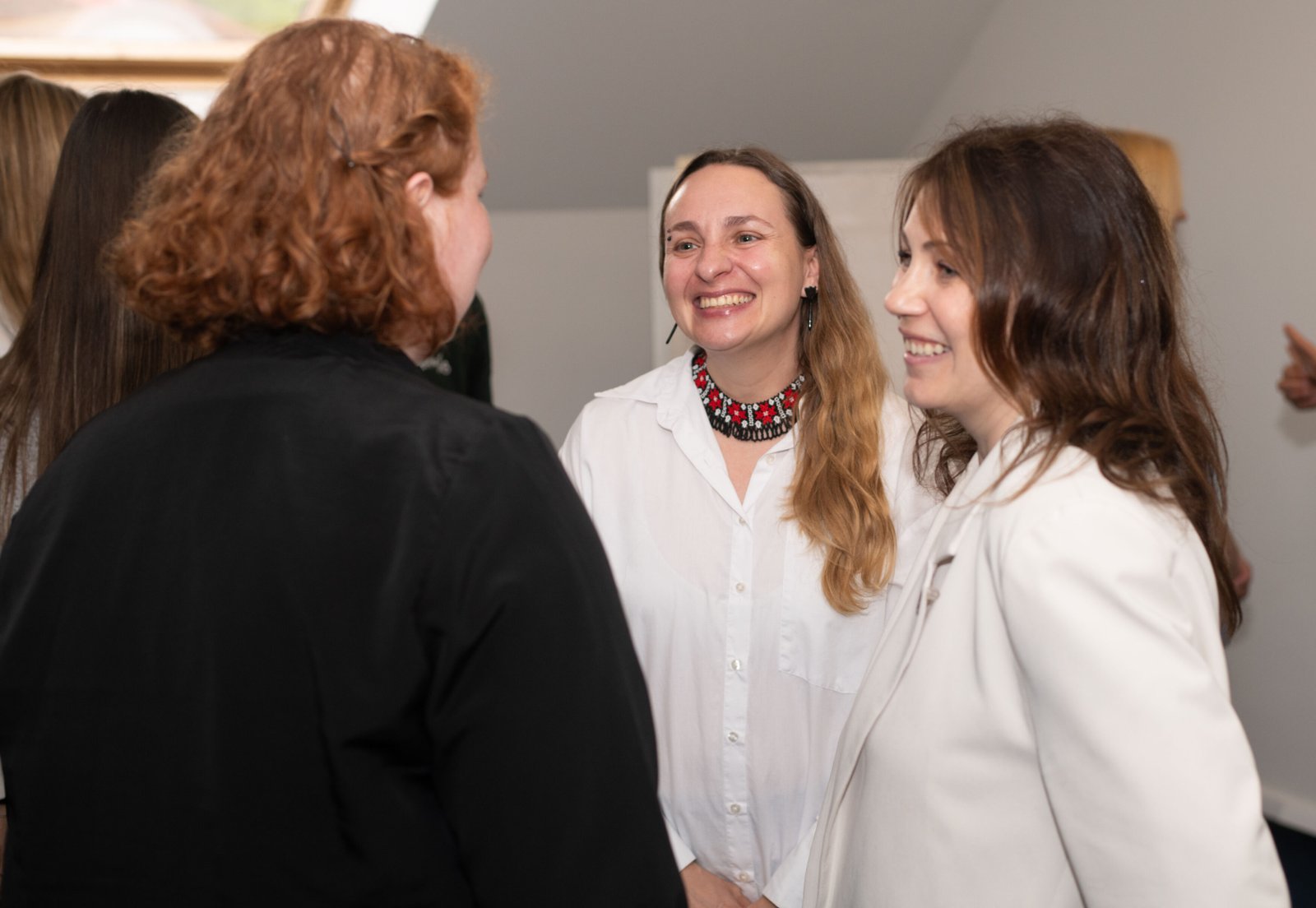
These questions were at the heart of a public discussion with renowned historian and public intellectual Yaroslav Hrytsak, held on May 22 at Atviros Lietuvos Fondas in Vilnius. The event brought together Lithuanian and Ukrainian audiences to reflect on national identity, civic engagement, and the cultural challenges Ukraine faces in times of war.
The talk was part of the Civic Consciousness Club — a new initiative launched by Ukreate Hub in collaboration with the Ukrainian Youth Group in Lithuania (UYGL). The Club is dedicated to fostering dialogue around culture and literature, with a focus on civic identity and the shared experience of decolonization and nation-building in Ukraine and Lithuania.
Over 25 participants from both countries gathered in an intimate setting to discuss the ideas presented in Hrytsak’s book “Ukraine: The Forging of a Nation”, as well as the deeper meanings of modern Ukrainian identity.
Key Themes from the Discussion
Nationhood as Action
Hrytsak emphasized that a nation is not defined solely by ethnicity or geography. Rather, it emerges through self-organization, resistance, and collective energy. Ukraine’s Maidan uprisings are examples of the civic power that continues to shape its national project.
Culture as Continuity
Ukrainian songs, traditions, and even bread are more than symbols — they are mechanisms of identity preservation. Hrytsak called them a “metaphysical code” that fosters belonging, especially when political institutions are fragile.
A Transforming National Idea
Today, the Ukrainian nation is evolving beyond ethnicity into a political community, where shared values — dignity, equality, and rule of law — matter more than language or bloodline.
Western Influence in Eastern Form
Contrary to stereotypes, Hrytsak argued that Ukraine’s political culture owes more to Poland and Lithuania than to Russia. Traditions of noble self-governance from these countries helped shape Ukraine’s modern idea of freedom.
A Local Perspective
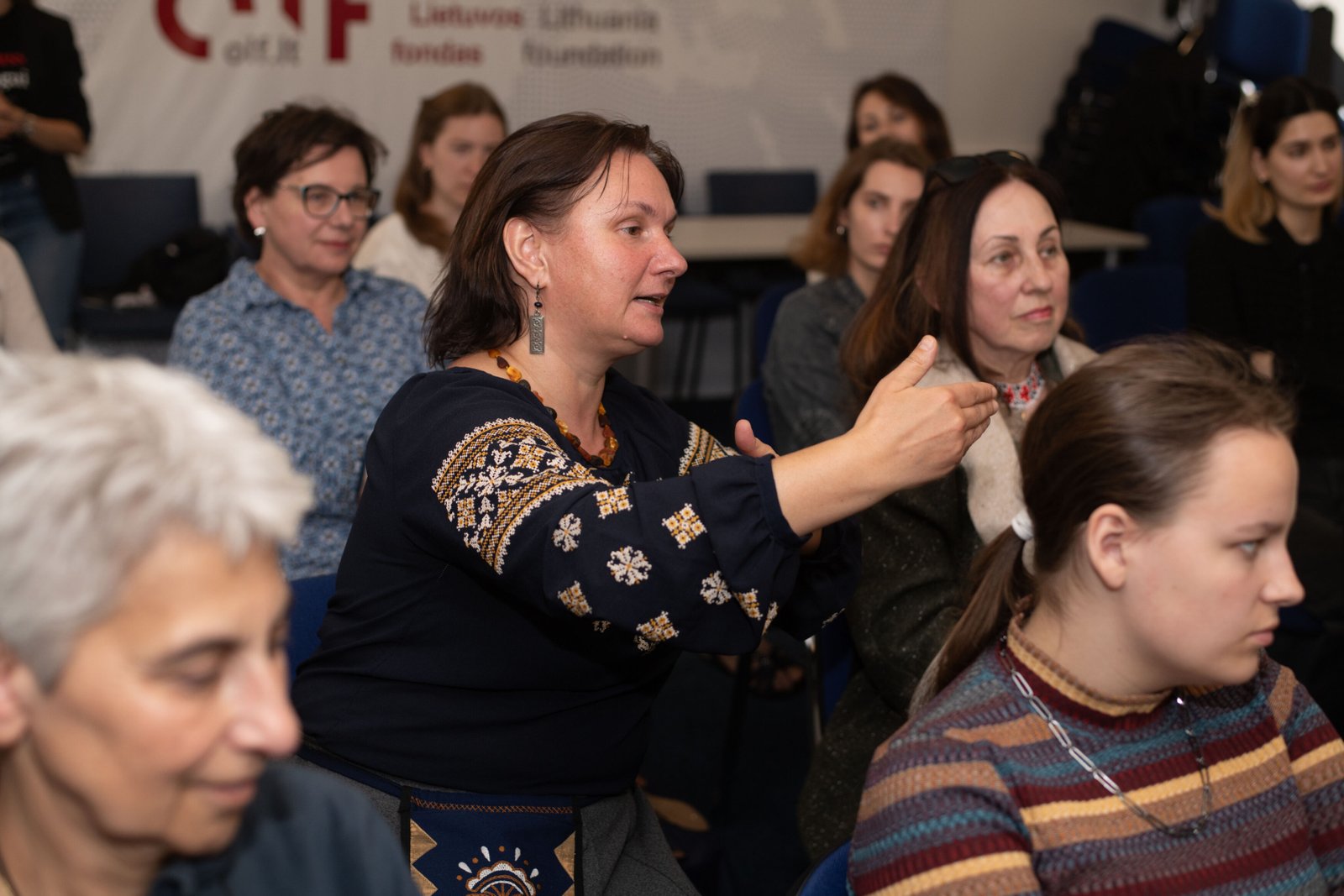
Lithuania-based civic activist Hanna Dovbakh shared a powerful reflection:
“These kinds of conversations with leading Ukrainian thinkers are incredibly important for us in Lithuania. They help us understand our role in shaping the ideas that will lead Ukraine to victory and guide its rebuilding.
What can we do better here, with the resources we have? Events like this also build bridges — they highlight how much Ukraine and Lithuania share in our journeys of decolonization and national revival.”
This meeting was a vivid example of how culture and intellectual dialogue can become tools of action. As Ukraine changes — and changes the world — conversations about history, dignity, and shared values are as vital as political strategies.
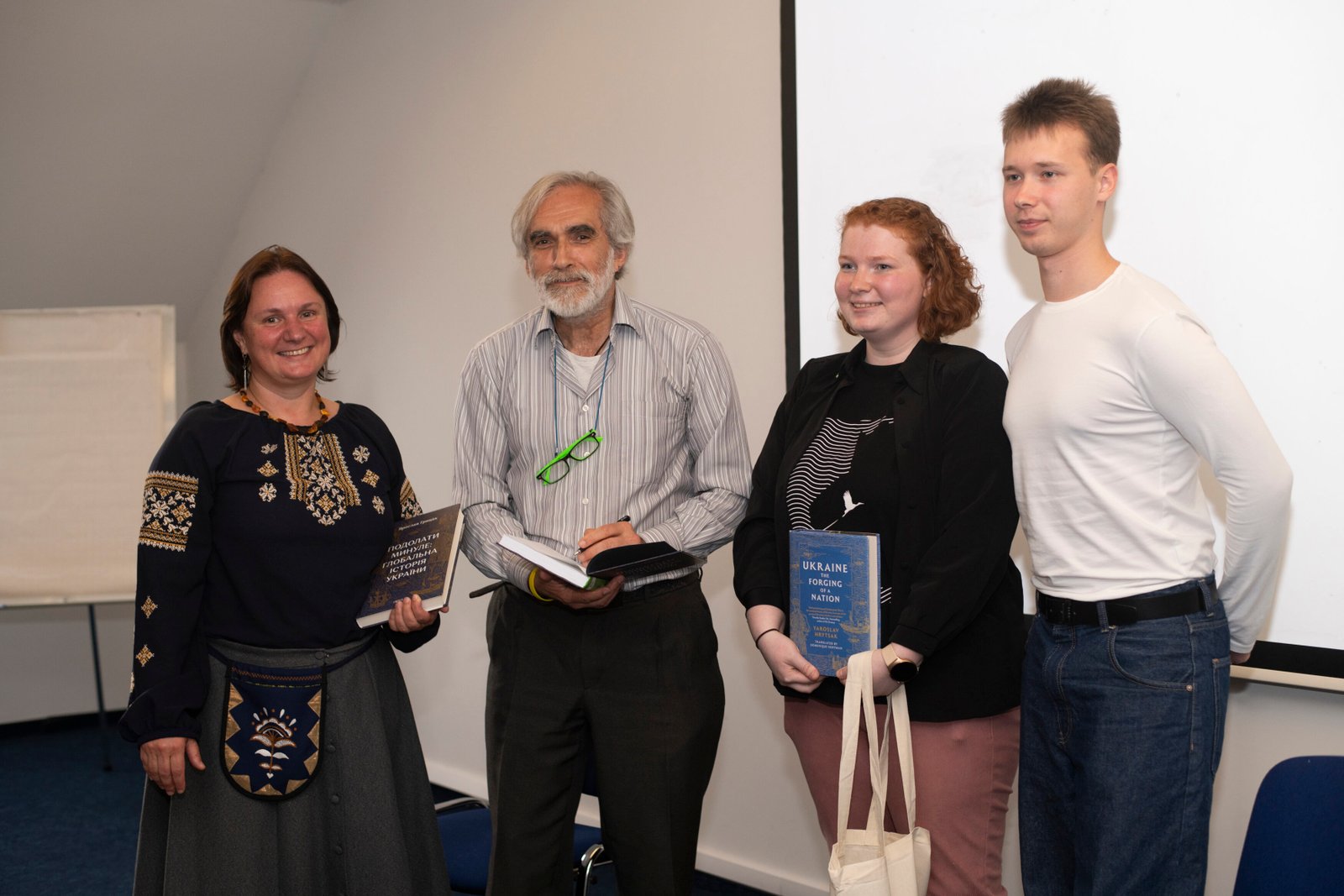
Moderator: Polina Soromakha
Photos by: Violeta Livaruk