


Pause to Grow Stronger: Stories from the UA Nest Residency at Ukreate Hub
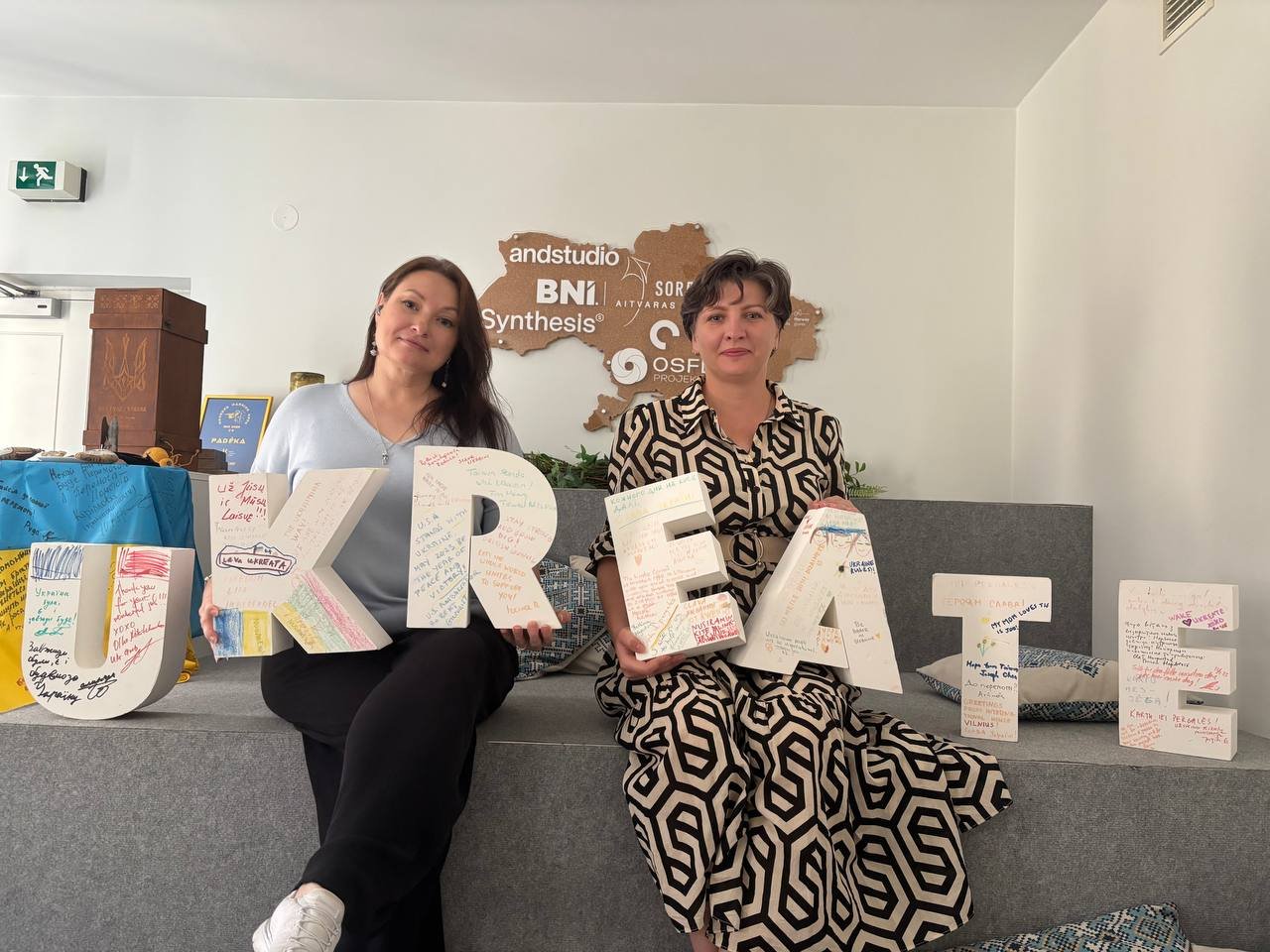
From July 16 to August 16, 2025, Ukreate Hub in Vilnius became home for two Ukrainian activists, Nadiia Karpliuk and Svitlana Korableva, as part of the UA Nest Residency – a program created to support civil society leaders from Ukraine.
The residency is designed for human rights defenders, journalists, cultural figures, lawyers, artists, and activists working in areas such as human rights, war response, humanitarian aid, and environmental protection. It offers them not only a safe space to rest but also an opportunity to regain energy, build networks, and return to their communities with renewed strength. For Ukreate Hub, joining this initiative was a natural step – we already work with displaced activists, helping them stay connected and visible in times of war.
Two women, two stories of resilience
For Nadiia Karpliuk, life before the full-scale war was about helping people realize their entrepreneurial dreams. As a business trainer and co-founder of the Agency for Sustainable Development and Innovation, she worked in Donetsk and Luhansk regions, supporting those who had lost everything to Russian aggression to start again.
“My role was to help people write business plans, win grants, and rebuild their lives. I witnessed their strength – rebuilding the future again and again despite everything,” she recalls.
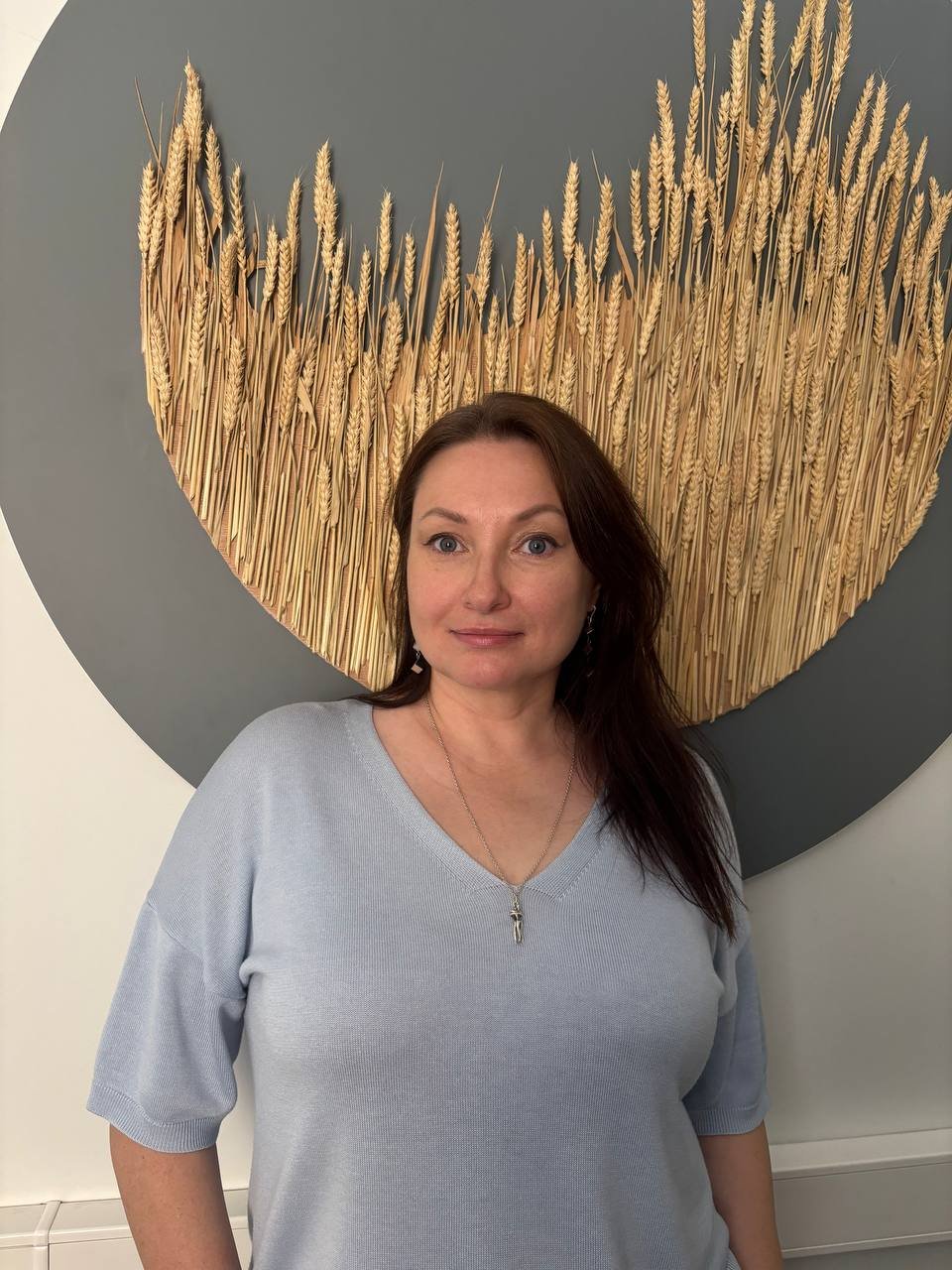
The invasion changed everything overnight. Contracts froze, training stopped, and Nadiia found herself with her son in Portugal, struggling with helplessness. That’s when she, altogether with colleagues, launched UA-Anticrisis, an initiative that supported small businesses adjusting production for the front or relocating to safety.
“We understood: if the army is strong, the economy must work. This was our way to fight,” she says. Today, back in Ukraine, she continues teaching entrepreneurship and works with veterans, helping them find new professions or start businesses as part of their reintegration. What holds her steady? “My work, because I see results – and my son, because thinking about our shared future is the strongest anchor.”
Her dream is simple: “To sit by the sea, hear the waves, and feel no anxiety – not in the sky, not on my phone, not in my heart. Just peace.”
Svitlana Korableva came to Vilnius from Cherkasy, where she had been relocated from Mariupol — a city that shaped her activism and took her home. Before the war, she was a marketer, photographer, and activist against domestic violence, balancing professional life with raising two children. “I always did many things at once,” she mentioned, but war changed the tone of her life. She lost her home, moved through several cities, and shifted from marketing into journalism, teaching, lobbying, volunteering, and documenting stories of war through social photography.
The attention came with new responsibility: “When you are introduced as ‘a displaced person from Mariupol,’ your voice suddenly carries more weight. That means you have to do more, louder, stronger.”
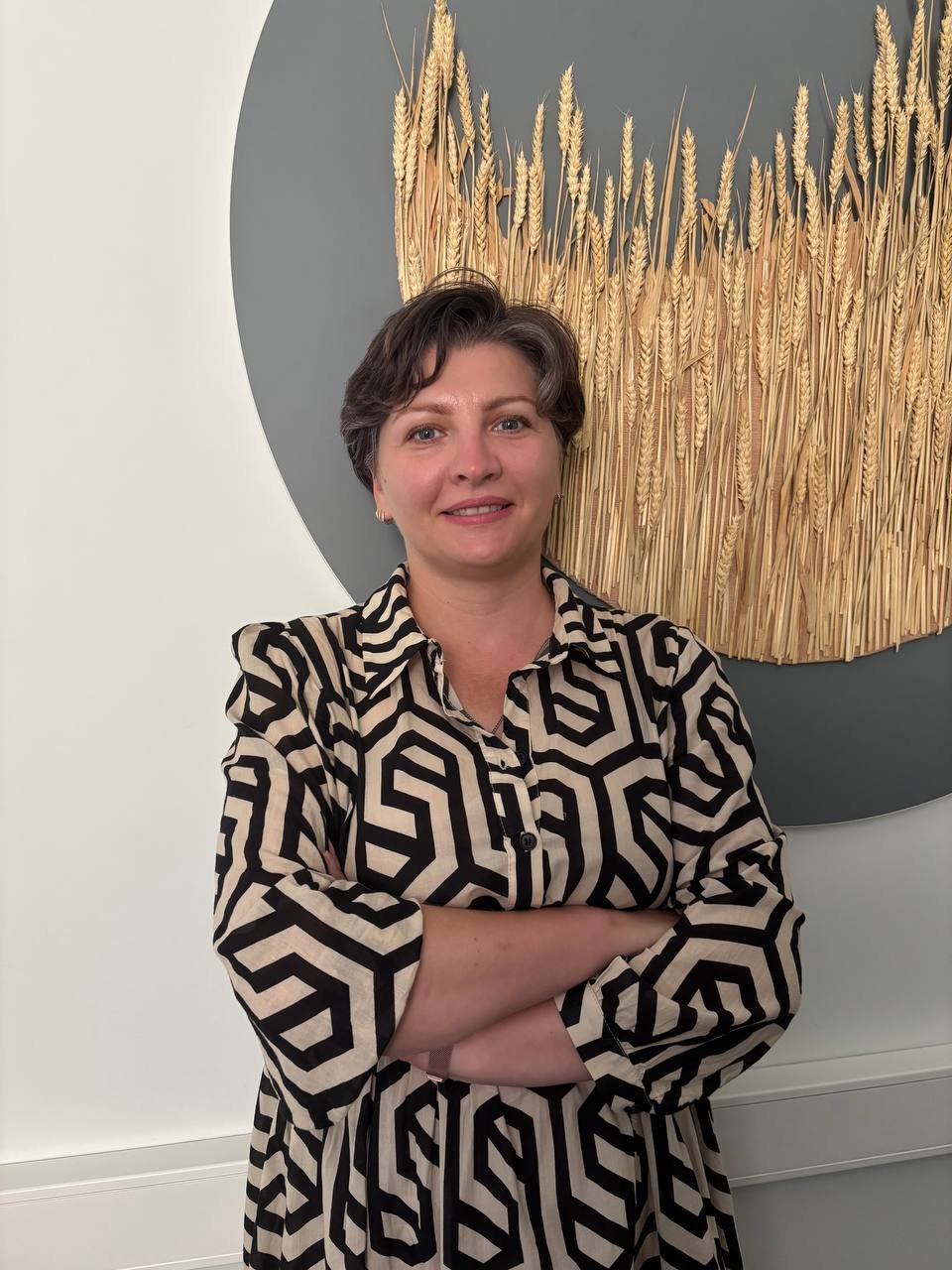
What keeps her moving when everything feels heavy?
“When it’s really hard – my psychiatrist and psychologist. When it’s just hard – love, family, creativity, people, nature, art, small joys, and my cat.”
Her current dream is rooted in very tangible things: to have her own home again, to hug her grandmother who stayed in Mariupol, to buy a new lens for her camera, and to rest by the sea with her family.
A space to exhale
For both women, the month at Ukreate Hub was not about stopping work, but about regaining the energy to continue.
Nadiia describes the residency as “a conscious pause – a vital reset that lets you clear your mind and return to your mission stronger.”
Svitlana adds: “This showed me I must be a good person if strangers from another country decided to care for me. Here I could stop running, breathe out, and look at my life from the outside.”
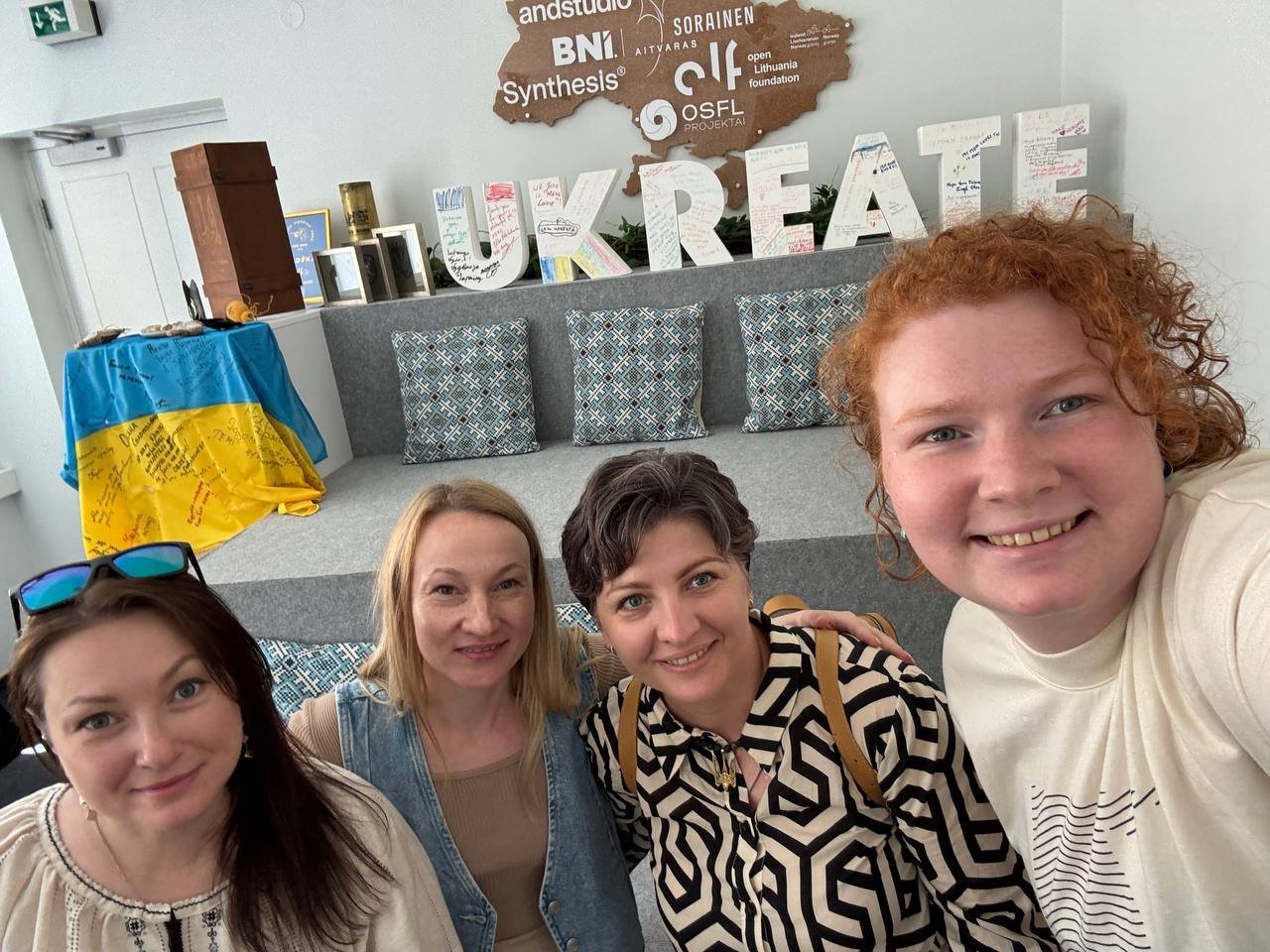
The UA Nest Residency proved once again that even in times of war, support for activists is crucial. By offering a safe space and community, we help ensure that those who carry others on their shoulders can also find the strength to carry on themselves.